Need stump grinding in Haverhill?
Tell us about your tree and request an estimate. A provider in our network will reach out to talk through the job and next steps.
No obligation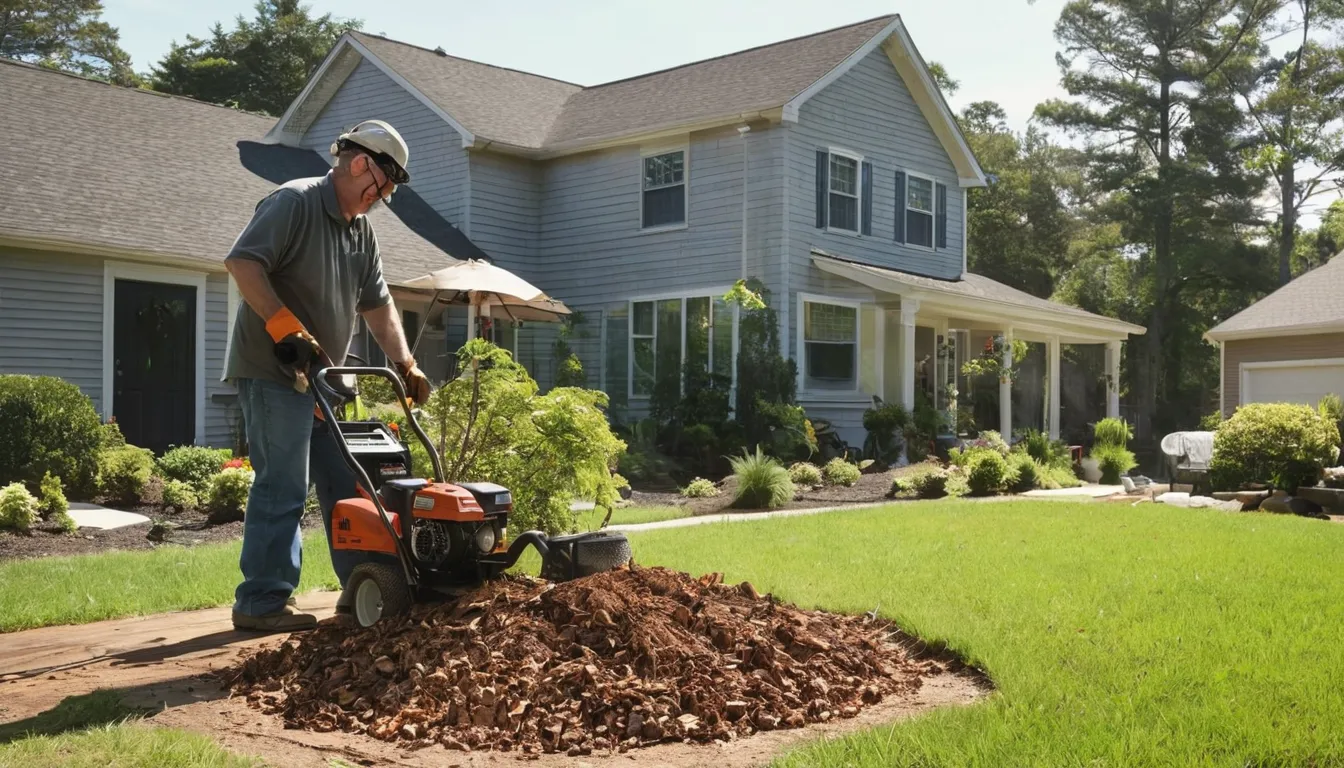
Plan the first step today
Stump grinding is the simple way to deal with what a removed tree leaves behind. A provider in our network brings a grinder to your yard and shaves the stump down below the soil line, turning solid wood into loose chips. There is no big pit to dig and no heavy hauling, and the lawn stays mostly in one piece.
This page is written for first-timers. You will see why stumps matter after a storm or an old removal, how the work goes, what changes the price, and what to ask before you say yes. A tidy yard protects the look of the home and its resale value. Requesting an estimate carries no obligation, so you can plan the first step at your own pace.
Say you step outside on a quiet morning. The tree is long gone, but a stump still squats beside the walkway. You mow around it. You tell yourself you will handle it later. Months go by.
That is how many first-time homeowners live with a stump. It seems harmless. Still, it deserves a plan, and this page walks you through one.
A stump hidden in tall grass is easy to miss. A child running across the lawn or a mower blade can meet it before you do. If the stump sits near a path, a driveway or a play area, put it at the top of your list.
After a storm, storm tree clearance often leaves a stump low, ragged and splintered. Jagged edges can snag shoes, clothes and paws. A rough stump like that is a good reason to ask a local provider about grinding soon.
As a stump decays, it turns soft and damp. Ants, beetles and termites may move in. A rotting stump close to the house deserves extra attention, since pests can wander toward nearby wood.
Some stumps send up new shoots for years. You cut them, and they return. Grinding removes the wood they grow from, though a provider may suggest treating stubborn roots.
Many older homes have stone or block foundations and full basements. Large roots near those walls can decay and leave soft spots in the soil. Ask the provider what may be happening below the surface before you plan a patio or new planting.
Buyers notice yards. A stump in the middle of the lawn says a job was left half done. Clearing it helps protect the property and its future resale value.
The provider rolls in a machine with a spinning wheel of hard teeth. They sweep it side to side across the stump and take it down in thin layers. It is loud, but it moves along steadily.
Most jobs go several inches below the soil line, often six to twelve inches. That is plenty for grass or a garden bed. Going deeper takes more time and suits a new tree or a building project.
Grinding chews up the wood right where it stands. Full stump removal digs out the stump and its main roots, usually with heavy equipment.
For most yards, grinding is enough. Ask before cutting or digging anywhere near the house.
Price follows the stump's width, the number of stumps, how far the roots spread and how easy the machine can reach them. A narrow gate or a steep slope adds time. Rocky soil wears the teeth faster. See the cost table on this page for typical U.S. ranges, then get a written quote.
Protect the property by walking the provider around the yard before the engine starts.
Say you bought a house and found three old stumps from the last owner. Old stumps are often dry and hard, but they can still be ground. Some hide under grass or mulch, so point out each one.
Stumps close to a stone wall, a slab or a driveway need careful handling. The provider may work in smaller passes to avoid damage.
Watch for low spots where water collects near the foundation, and level them early.
Ask for the quote in writing so nothing surprises you later.
Request a callback to check provider availability, or use the request form to ask for an estimate. Many providers can respond quickly, and there is no obligation.
A grinder shaves the stump below ground level and leaves loose wood chips behind.
Surface roots that ripple across the lawn can be ground down too, so mowing gets easier.
Ask whether the provider rakes up the chips, hauls them away, or leaves them for mulch.
Before starting, the provider looks over gates, slopes and buried lines to plan a safe path for the machine.
Stump grinding prices vary by stump size, root spread, access and local rates. These are typical U.S. ranges, not quotes, so always ask for a written estimate before any work begins.
| Item | Typical range | Notes |
|---|---|---|
| Small stump (under 12 in.) | $100 – $250 | Easy access keeps the price near the low end |
| Medium stump (12–24 in.) | $200 – $450 | Most common size for backyard trees |
| Large stump (over 24 in.) | $400 – $900 | More wood and wider roots take longer |
| Extra surface roots | $75 – $300 | Depends on how far the roots spread |
| Several stumps in one visit | $300 – $1,200 | Providers often price a group together |
| Chip hauling | $50 – $200 | Optional if you want to keep the chips |
Share how many stumps you have, their rough size and where they sit in the yard.
We connect you with an independent provider in the network who handles stump grinding.
Check depth, cleanup and price details before you agree to anything.
Pick a time that works, then clear the area so the provider can work safely.
A clean, level yard looks cared for and helps protect curb appeal when it is time to sell.
First-timers get plain guidance before any provider visits the home.
Independent providers in our network work in your own area.
Request an estimate, compare quotes and decide on your own schedule.
Tell us about your tree and request an estimate. A provider in our network will reach out to talk through the job and next steps.
No obligationMost single stumps take under an hour once the machine is set up. Larger stumps, wide roots or tight access can stretch that. The provider can give a time estimate after seeing the yard.
Yes. After grinding, the provider can rake out most chips, and you fill the hole with topsoil and seed. Expect some settling over the first season, especially after freeze-thaw cycles, and top it off.
For most lawns, yes. Grinding is quicker and leaves less mess. Full removal makes more sense if you plan to build or pour a footing on that exact spot.
Tell us about your tree and request an estimate. A provider in our network will reach out to talk through the job and next steps.
No obligation