Need home tree removal in Haverhill?
Tell us about your tree and request an estimate. A provider in our network will reach out to talk through the job and next steps.
No obligation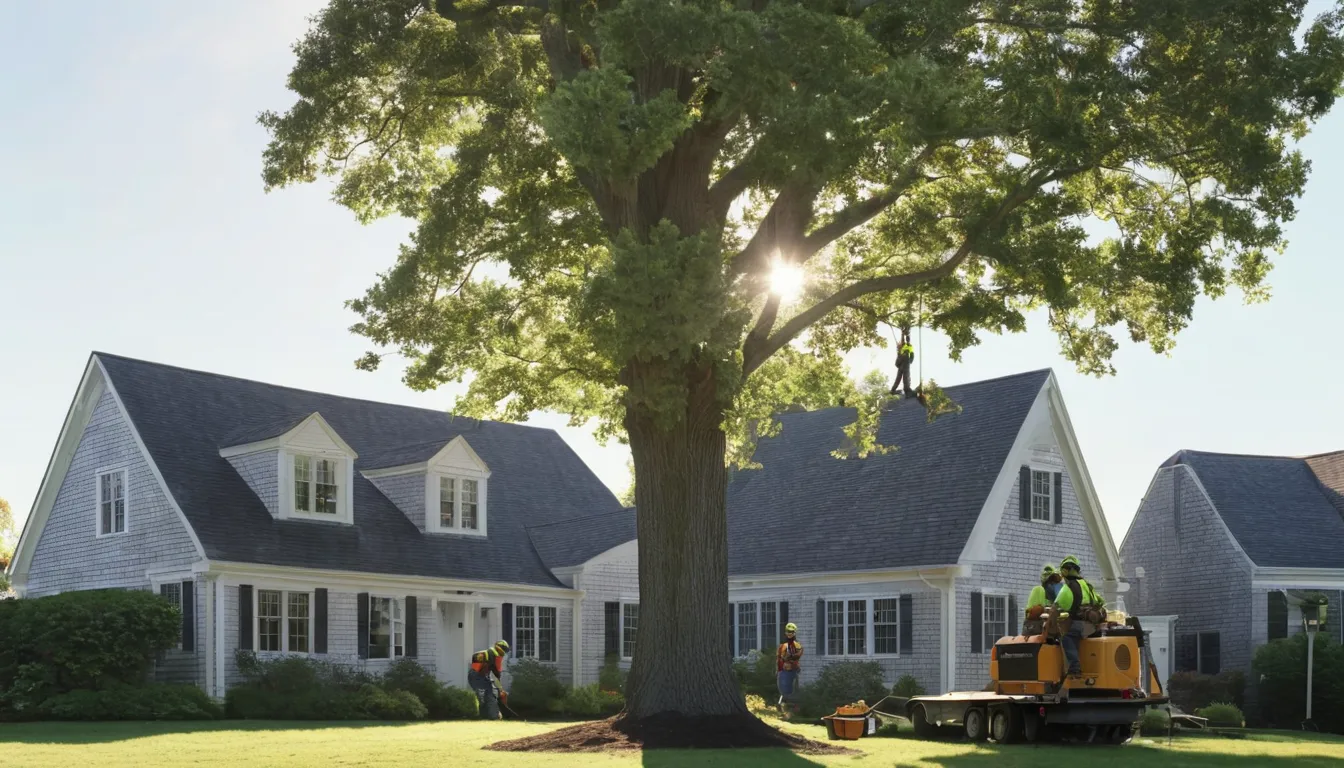
Request an estimate today
Say you look out the window and see a split limb hanging over the roof. Or a tall tree has started to lean toward the house. You have never hired a tree provider before, and you are not sure where to start. That is a very common moment, and it has a simple path forward.
Industrychase Tree Service is a referral service. We explain the process in everyday words, then connect you with independent providers in our network who do the cutting. The providers handle the work. This page covers what to look for, what the job involves, what affects the price, and how to get ready, so you can protect the property and make a calm decision.
Say you step outside with your coffee and notice a crack in a big limb over the driveway. Or the trunk leans a bit more than it did last year. You have never hired anyone for this, and that is fine. Plan the first step, and the rest gets easier.
Some trees can wait a few weeks. Others should be looked at soon. Watch for these:
If you see one of these, keep people and cars away from the area and ask a provider to take a look.
Picture a storm morning with a limb across the yard, or a trunk resting on the fence. This is where emergency tree removal and storm tree clearance come in. Stay clear of power lines, and do not climb or cut it yourself. Request a callback to check provider availability in your area.
Most removals come down to safety and the house. A dead or sick tree can drop limbs without warning. A tree too close to the roof can scrape shingles and clog gutters. Roots can crowd a stone or block foundation, or press on drain lines. Some people simply need space for an addition, a driveway, or a garden.
A damaged roof or cracked foundation is a big repair, and buyers notice it. A healthy yard with no hazard trees looks cared for. Removing the right tree at the right time can keep a small worry from turning into a costly one later.
The job is usually simple once you see it laid out. Here is the usual flow.
A provider looks at the tree, the space around it, and anything it could hit. That includes the house, wires, fences, and neighbors' property. You get a written quote that describes the work.
This is the tree falling service part. On open ground, a crew may fell the tree in one direction. In tight spots, near older homes or close fences, they take it down in sections with ropes or a crane.
Branches are chipped, and the trunk is cut into pieces. Many quotes include hauling, but some leave the wood for you. Ask which one applies before the day.
Size matters most, but it is not the only factor. Tight access, power lines nearby, and a damaged or dead tree can all raise the cost. Hauling and wood disposal change it too. Prices vary a lot by job, so always get a written quote that lists exactly what is included.
Some towns protect certain trees or require a permit before removal, especially larger ones or trees near the street. Ask before cutting. Your town office can tell you, and a provider in our network can often explain what is usually needed in your area.
Good providers are easy to talk to. They explain the plan, answer questions, and put the price in writing. Be careful with anyone who pushes you to decide on the spot or refuses to show proof of insurance.
Imagine the truck pulls up and the driveway is full of cars. Move vehicles, patio furniture, and toys well away from the tree. Tell neighbors it is happening. Keep pets inside. Mark sprinkler heads or buried lines the provider might not see.
Walk the yard with the provider before they leave. Check the roof, gutters, and fence for damage. Some policies may cover sudden damage, so check your policy, and providers can often help document damage for a claim. If a stump is left, stump grinding is the next step, and it is worth planning so the yard is ready for new grass or a garden.
Frozen ground can make heavy equipment easier to use without tearing up the lawn. Spring snowmelt can leave the soil soft and muddy. Weak trees also get tested by winter ice and coastal storms, so booking before the rough season can save stress.
You do not need to have all the answers today. Describe the tree, the location, and your concerns, and a local provider can tell you what to expect.
Get a clear price in writing that lists the tree, the work, cleanup, and any extras.
Providers use ropes, climbing gear, or cranes to bring trees down around houses and fences.
Limbs are chipped and trunks are cut up. Ask whether wood hauling is part of your quote.
Check the lawn, roof, and fence together with the provider before the job is marked finished.
Prices depend on height, trunk size, access, and the condition of the tree. These are typical U.S. ranges only. Your own job can fall above or below them, so ask for a written quote.
| Job type | Typical range | Notes |
|---|---|---|
| Small tree, under 30 ft | $150 – $500 | Easy access, simple cleanup |
| Medium tree, 30–60 ft | $400 – $1,200 | Often needs climbing or rigging |
| Large tree, over 60 ft | $1,000 – $3,000 | More time, more crew, more care |
| Damaged or hazardous tree | $500 – $3,000+ | Storm damage or tight spots raise cost |
| Crane-assisted removal | $1,500 – $4,500 | Used near houses or power lines |
| Haul-away and chipping | $75 – $400 | May be bundled in the quote |
Share the size, location, and what worries you, such as a crack, lean, or nearby roof.
We connect you with an independent local provider who can look at the job.
Check the scope, cleanup, insurance proof, and whether stump grinding is included.
Pick a date with the provider, then clear cars and yard items from the work area.
A planned removal keeps limbs and trunks away from your roof, siding, and foundation.
First-timers get plain guidance on how the job works before choosing a provider.
You are matched with local providers in our network who do the actual work.
Request an estimate, compare, and decide at your own pace.
Tell us about your tree and request an estimate. A provider in our network will reach out to talk through the job and next steps.
No obligationTypical U.S. prices run from about $150 for a small tree to $3,000 or more for a large or hazardous one. Access, height, and cleanup change the total, so get a written quote.
It depends on your town. Some places protect larger or street-side trees and require a permit first. Check with your local office before cutting, and ask the provider what is usually needed.
A new or growing lean, especially after a storm, can be a warning sign. Keep people away from the area and ask a local provider to inspect it. Request a callback to check provider availability.
Tell us about your tree and request an estimate. A provider in our network will reach out to talk through the job and next steps.
No obligation